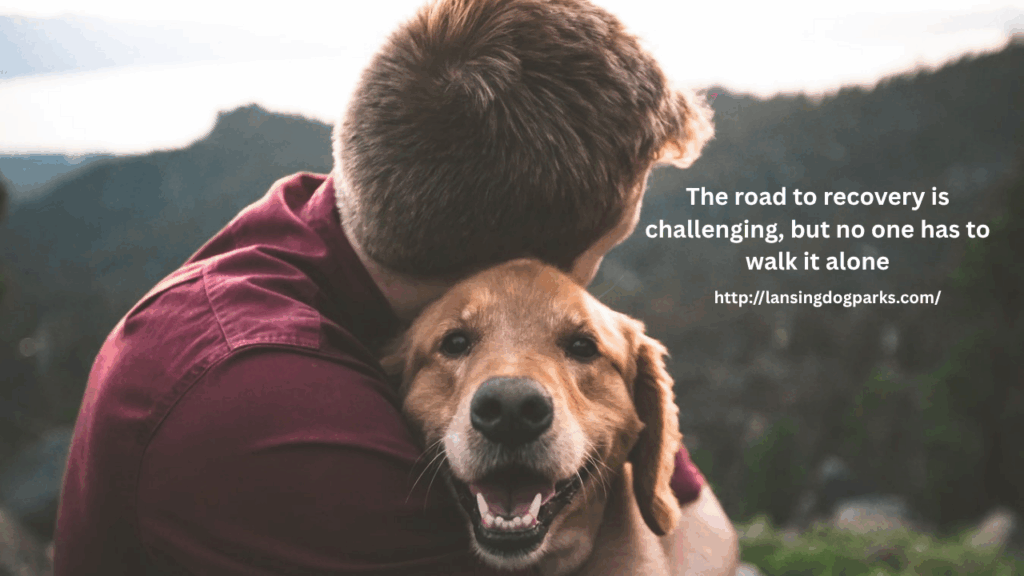
Recovery from addiction and emotional trauma is often a difficult, lonely road. It requires courage, resilience, and the support of a strong community. While therapy, counseling, and medical treatment play essential roles, one often-overlooked ally in the recovery process is the companionship of animals. Whether it’s a loyal dog, a playful cat, or another loving pet, companion animals provide more than just company—they offer emotional healing, structure, and a renewed sense of purpose that can be life-changing for those on the path to recovery.
A Silent Source of Comfort
One of the most profound ways animals help in recovery is by providing nonjudgmental companionship. Many people battling addiction or emotional trauma carry feelings of guilt, shame, or social isolation. Relationships with other humans may feel strained or complicated, making it difficult to open up or feel supported. Pets, however, offer unconditional love. They do not care about a person’s past mistakes, nor do they hold grudges. Their loyalty and affection create a safe emotional space where healing can begin.
Interacting with animals has been shown to reduce stress, ease anxiety, and combat depression. Petting an animal triggers the release of oxytocin, a hormone that promotes bonding and emotional connection, while also lowering cortisol levels, the body’s primary stress hormone. This natural calming effect can help those in recovery manage emotional triggers and cravings more effectively.
Restoring Routine and Responsibility
Addiction often leads to chaos and disorganization in daily life. Recovery requires not only physical sobriety but also the re-establishment of routine and healthy habits. Companion animals naturally introduce structure. Feeding times, walks, grooming, and play sessions create a daily rhythm that helps individuals regain a sense of order and control.
This newfound responsibility can be empowering. Taking care of a pet requires commitment and accountability, reinforcing the idea that the person is capable of nurturing and sustaining life. For many, this sense of purpose becomes a key motivator to stay sober and continue healing.
Fostering Social Connection
Loneliness is a common challenge in recovery. Many people in early sobriety withdraw from old social circles to avoid relapse but may not yet have formed new, healthy relationships. Companion animals help fill this gap. Pets offer constant companionship, reducing feelings of isolation and providing emotional support.
Additionally, pets—especially dogs—can help break social barriers. Walking a dog in the park or attending pet-related events often leads to conversations and new friendships. This social interaction is a crucial step in rebuilding a support system, something essential for long-term recovery.
A Shared Journey of Healing
Many companion animals, especially rescue pets, have their own histories of trauma or neglect. This shared journey of healing can create a powerful bond between human and animal. Together, they rebuild trust, form new routines, and learn to navigate life with resilience and hope.
Conclusion
The road to recovery is challenging, but no one has to walk it alone. Companion animals offer unconditional love, emotional stability, and a sense of purpose that can guide individuals toward lasting healing. With their paws of purpose, these loyal companions help transform recovery from a lonely struggle into a journey of connection, growth, and renewed hope.