Addiction recovery is not just about quitting substances—it’s about rebuilding a life rooted in stability, purpose, and emotional well-being. While traditional therapies and support groups are vital, an often underappreciated force in the healing process is the companionship of animals. Pets—through their loyalty, affection, and unwavering presence—can play a powerful role in helping individuals find balance and peace in recovery. The bond between humans and animals becomes more than just friendship; it becomes a source of healing.
Unconditional Love and Nonjudgmental Support
One of the most profound emotional challenges in recovery is dealing with guilt, shame, and feelings of unworthiness. People in recovery often struggle to forgive themselves for the past, even after they’ve taken significant steps toward healing. Pets, however, don’t care about history. They love their owners unconditionally, offering affection and companionship without judgment.
This kind of love can be deeply transformative. Having a pet that shows joy just at your presence or seeks comfort in your arms can remind individuals that they are worthy of love and care. This constant, nonjudgmental support becomes a steady source of emotional strength and stability—especially when human relationships are still being rebuilt.
Stress Relief and Emotional Regulation
Recovery is an emotionally intense journey. Anxiety, depression, anger, and cravings can all surface during this time. Pets provide a natural outlet for emotional regulation. Studies have shown that spending time with animals reduces cortisol levels (the stress hormone) and increases serotonin and oxytocin, which promote calmness, bonding, and overall well-being.
The simple act of petting a dog or cat can ground someone in the present moment. Whether it’s walking a dog through the park or listening to a cat’s rhythmic purring, pets help individuals manage emotions without turning to substances for relief.
Building Routine and Responsibility
Addiction often leads to disorganized, chaotic lifestyles. One of the keys to successful recovery is rebuilding structure and developing healthy routines. Pets naturally introduce responsibility. They need to be fed, walked, groomed, and loved on a consistent basis.
This sense of daily responsibility helps individuals in recovery stay focused and engaged. It also fosters discipline and purpose—important values when striving to avoid relapse. Knowing that another living being depends on you can be a strong motivator to stay clean and committed to the recovery path.
A Bridge to Connection
Social isolation is a major challenge in recovery, especially during the early stages. Pets provide companionship that alleviates loneliness and helps reduce the risk of relapse. Additionally, animals—especially dogs—can serve as social bridges. Walking a dog or visiting a dog park often leads to conversations and new social opportunities, helping individuals feel more connected to their communities.
Conclusion
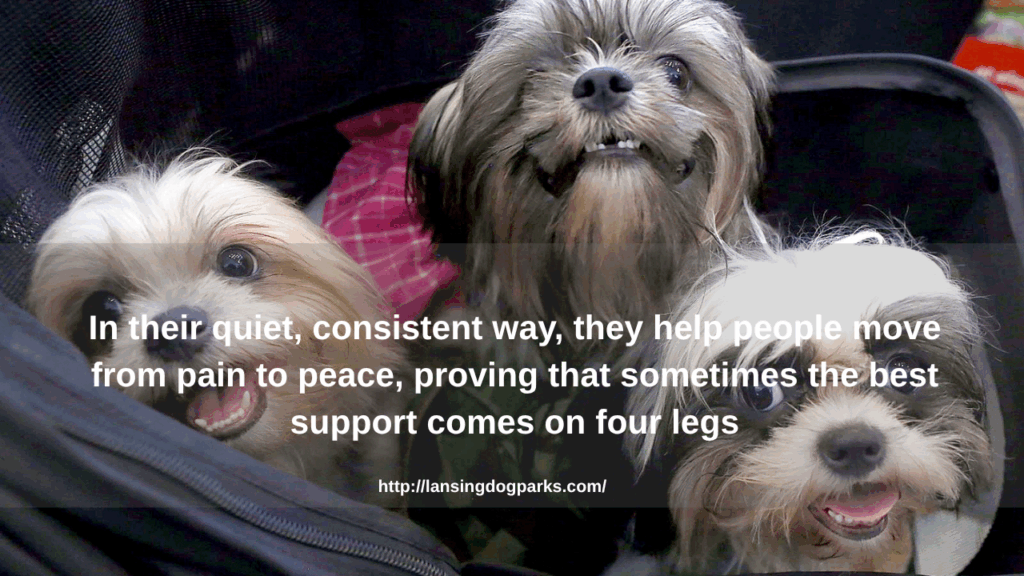
In the world of addiction recovery, healing doesn’t always come from words or medicine. Sometimes, it comes with fur, a wagging tail, or a soft purr. Pets offer more than companionship—they provide love, purpose, structure, and emotional grounding. In their quiet, consistent way, they help people move from pain to peace, proving that sometimes the best support comes on four legs.