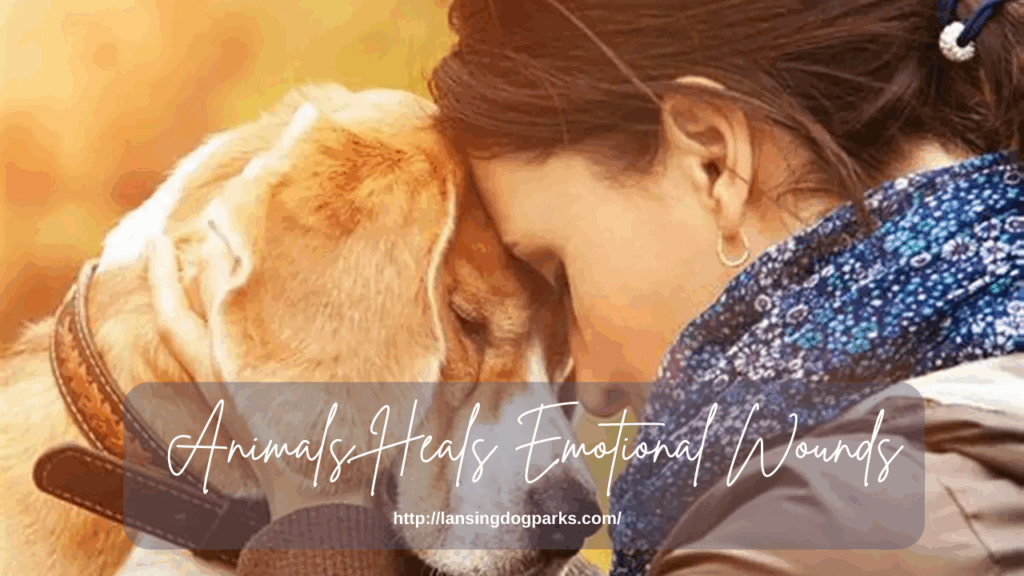
Recovery is more than breaking free from addiction or managing mental health challenges. It is about rebuilding a life filled with meaning, connection, and hope. One of the most profound yet often overlooked healing tools is the bond between humans and animals. Caring for a rescued animal not only transforms the pet’s life but also plays a powerful role in the emotional recovery of the person providing that care.
The Power of Mutual Healing
Many individuals entering recovery carry emotional scars—shame, grief, loss, and feelings of isolation. Animals, especially those who have been rescued, often share a similar history of neglect, trauma, or abandonment. This creates a unique, unspoken understanding between human and animal. In caring for an animal’s needs, individuals in recovery often find themselves caring for their own emotional wounds as well.
This connection can become a steady source of comfort. Animals offer unconditional love and acceptance without judgment, which is something many in recovery crave as they work through feelings of guilt or self-doubt. In return, humans provide safety, food, and affection—needs that mirror their own healing journey.
Restoring Purpose and Responsibility
Addiction and mental health struggles can strip life of structure and meaning. Caring for an animal reintroduces routine and accountability. Feeding schedules, walks, grooming, and vet visits create a healthy daily rhythm. For someone who may feel adrift, these small but important responsibilities help anchor them in the present and reinforce the belief that they are capable of nurturing and protecting another living being.
This renewed sense of purpose often extends beyond pet care, inspiring individuals to take better care of themselves, stay committed to treatment, and engage more fully in life.
Reducing Stress and Supporting Emotional Regulation
The science behind the healing power of animals is compelling. Interacting with a pet can lower stress hormones, reduce anxiety, and improve mood. Petting a dog or cat releases oxytocin, a hormone linked to bonding and emotional comfort. For individuals navigating the challenges of early sobriety or ongoing mental health treatment, this calming influence can be a valuable tool for managing triggers and preventing relapse.
Encouraging Connection and Social Engagement
Isolation can be a major barrier to recovery. Animals help break that cycle. Walking a dog or visiting a dog park encourages natural social interactions and provides opportunities to build supportive relationships. These connections, no matter how small, can help reduce loneliness and create a stronger network of encouragement.
Holistic and Faith-Based Healing
For those seeking a holistic or faith-based approach, the human-animal bond can serve as a spiritual reminder of grace, redemption, and second chances. Just as a rescued animal learns to trust again, individuals in recovery can rediscover hope and rebuild their own sense of worth.
Taking the Next Step
Healing is not a journey that must be taken alone. Whether through structured treatment programs, faith-based counseling, or the quiet companionship of a rescued animal, every step forward matters. If you or someone you love is struggling with addiction or mental health challenges, reach out for support. There is a path to redemption, and sometimes it begins with a wagging tail or a gentle purr.