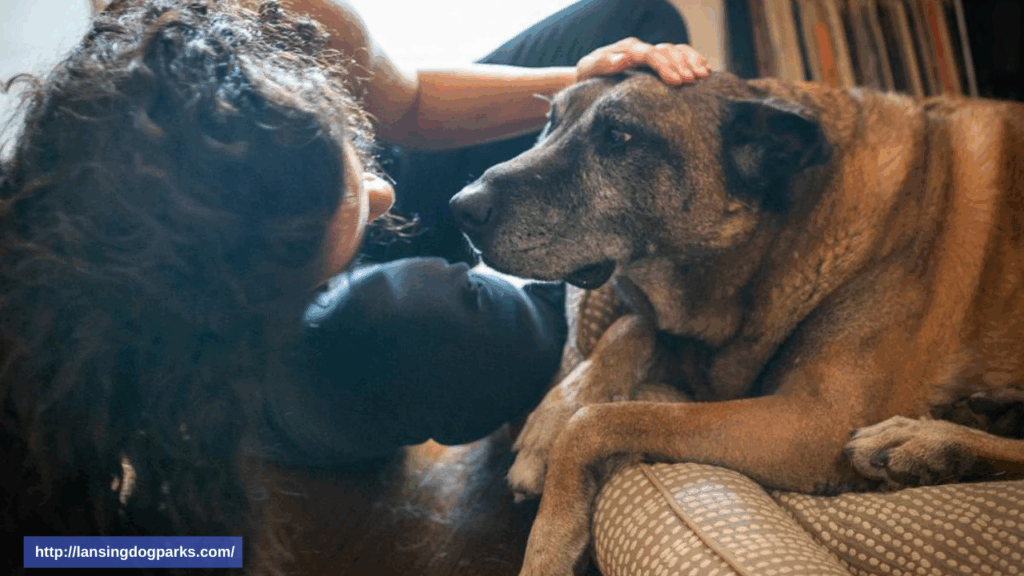
Recovery is rarely a one-way street. For many individuals healing from addiction and mental health challenges, companionship plays a vital role in creating a foundation of stability and hope. At the same time, countless animals who have faced neglect or abandonment are also searching for safety and love. When humans and pets come together, they often begin a shared journey of healing, one that transforms both lives in profound and lasting ways.
The Unique Bond of Mutual Healing
Addiction and mental health struggles can leave individuals feeling isolated, unworthy, and disconnected. Animals, particularly those who have been rescued, often carry their own histories of hardship. This shared vulnerability builds a natural bond of trust and understanding. By caring for a pet, individuals in recovery experience unconditional love and acceptance, while the animal gains a renewed sense of security.
This relationship reminds people that healing is possible and that every living being deserves compassion. It is a reminder that second chances are not only possible but deeply meaningful.
Structure, Routine, and Responsibility
A successful recovery process requires consistency and stability. Pets naturally bring structure into daily life. Feeding schedules, walks, grooming, and playtime create regular routines that help individuals stay grounded. For someone learning to rebuild after addiction, these small daily tasks provide a sense of accountability and purpose.
This responsibility can be empowering. When a person recognizes that their choices directly affect the well-being of another life, it often reinforces their motivation to stay committed to recovery. Caring for a pet becomes a gentle but powerful step toward caring for oneself.
Emotional Regulation and Stress Relief
One of the most challenging aspects of recovery is learning to manage difficult emotions without turning to substances. Here, animals can make a significant difference. Research shows that spending time with pets reduces stress hormones and increases feelings of calm and connection. The simple act of stroking a dog’s fur or listening to a cat’s purr can lower anxiety and provide comfort during moments of struggle.
In this way, pets act as natural supports for emotional regulation. They provide grounding in the present moment and serve as safe companions when cravings, loneliness, or sadness arise.
Encouraging Connection and Reducing Isolation
Isolation is a common struggle during recovery. Many individuals feel disconnected from friends, family, and community. Pets, however, help bridge that gap. Dogs, for example, encourage outdoor activity and create opportunities for social interaction in settings like parks, walking trails, and neighborhoods. These connections, even in small doses, can remind individuals that they are not alone in their journey.
Holistic and Faith-Based Perspectives
For those pursuing holistic or faith-based healing, the companionship of animals offers spiritual meaning. Many see the relationship as a symbol of redemption: just as a rescued pet learns to trust again, individuals in recovery rediscover hope and self-worth. This shared renewal reflects the deeper truth that healing is about more than survival—it is about finding purpose and joy again.
Walking the Journey Together
Recovery is not about walking alone. The journey is often strengthened by connection, love, and responsibility. Pets offer all of these in a way that feels authentic and unconditional. For individuals seeking lasting recovery, the bond with a companion animal can be a powerful reminder that healing is possible, not only for themselves but for every living being that shares their journey.
If you or someone you love is struggling with addiction or mental health challenges, know that support is available. At Lansing Dog Parks, we believe in holistic, individualized, and compassionate care that meets you where you are. Reach out today to take the next step toward healing—for yourself and, perhaps, for a companion animal who needs you too.