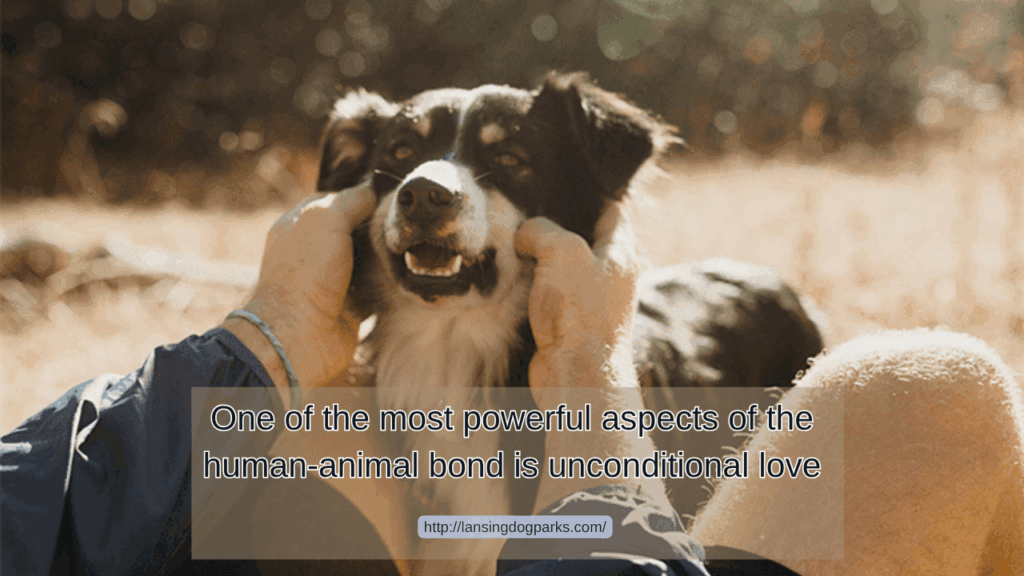
For those walking the difficult path of addiction recovery, hope can sometimes feel distant. Healing requires courage, consistency, and compassion—qualities that can be nurtured through the gentle presence of a companion animal. Whether it’s the loyalty of a dog, the calm of a cat, or the comfort of any beloved pet, animals have a remarkable ability to reach the human heart in ways that words often cannot. At Lansing Dog Parks, we recognize that recovery is not only a medical journey but also an emotional and spiritual one. Companion animals play an invaluable role in helping individuals rebuild trust, find stability, and rediscover purpose.
The Restorative Power of Connection
Addiction and trauma can leave individuals feeling isolated and disconnected from others. Companion animals bridge that gap through their simple, honest presence. They offer affection without expectation and acceptance without judgment. This bond reminds individuals in recovery that they are worthy of love and capable of forming healthy connections. The trust built between a person and their pet often mirrors the trust they are learning to rebuild within themselves and with others.
For many, this emotional connection can reignite motivation. The act of caring for a pet—feeding, walking, grooming, and playing—creates a sense of responsibility that brings structure back into daily life. These routines promote accountability and purpose, two essential pillars of lasting recovery.
Emotional Support When It’s Needed Most
Recovery is not a straight path. There are moments of doubt, frustration, and emotional strain. During these times, animals can serve as calming anchors. Studies have shown that spending time with pets can lower stress hormones, reduce anxiety, and increase the body’s natural production of feel-good chemicals such as oxytocin and serotonin.
When cravings or emotional triggers arise, the simple act of petting a dog or sitting quietly with a cat can help restore calm and focus. These moments of connection encourage mindfulness—being present in the moment—which is a key skill in maintaining sobriety and emotional balance.
A Mirror for Healing and Hope
Just as humans in recovery are learning to heal, many rescued animals have their own stories of survival. This shared journey often deepens the emotional bond between person and pet. Witnessing a once-neglected animal thrive through love and care can serve as a powerful reminder that recovery is possible for anyone willing to try again. Both human and animal begin to heal together, forming a mutual partnership built on trust and resilience.
Integrating Pet Companionship into Holistic Recovery
At Lansing Dog Parks, we believe recovery is most effective when it treats the whole person—body, mind, and spirit. Companion animals support this holistic approach by addressing emotional needs that traditional therapies may not fully reach. They help reduce loneliness, inspire positive emotions, and encourage physical activity, all of which support long-term wellness.
Whether someone is participating in inpatient care, outpatient therapy, or faith-based counseling, the inclusion of animal companionship can enhance the recovery experience. Many treatment programs now encourage pet-assisted therapy sessions, where clients engage with trained animals in a therapeutic setting to promote emotional regulation and self-awareness.
Walking Forward Together
Recovery is a journey that requires courage, compassion, and connection—and sometimes, those lessons are taught best by a furry companion. Pets remind us of life’s simple joys: unconditional love, forgiveness, and presence. They help individuals rediscover trust, build emotional stability, and move forward with renewed hope.
At Lansing Dog Parks, we are committed to supporting every step of that healing process through compassionate, holistic, and individualized care. If you or someone you love is ready to begin the journey toward recovery, reach out today. Healing is possible, and sometimes, hope comes on four paws and a wagging tail.