Four-Legged Support: Animals as Partners in Mental Health and Addiction Care

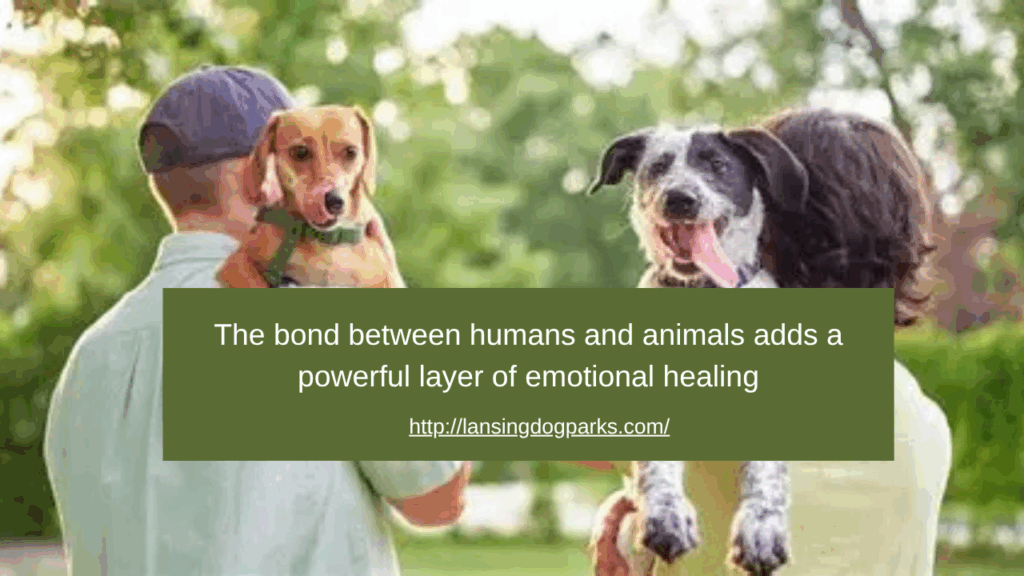
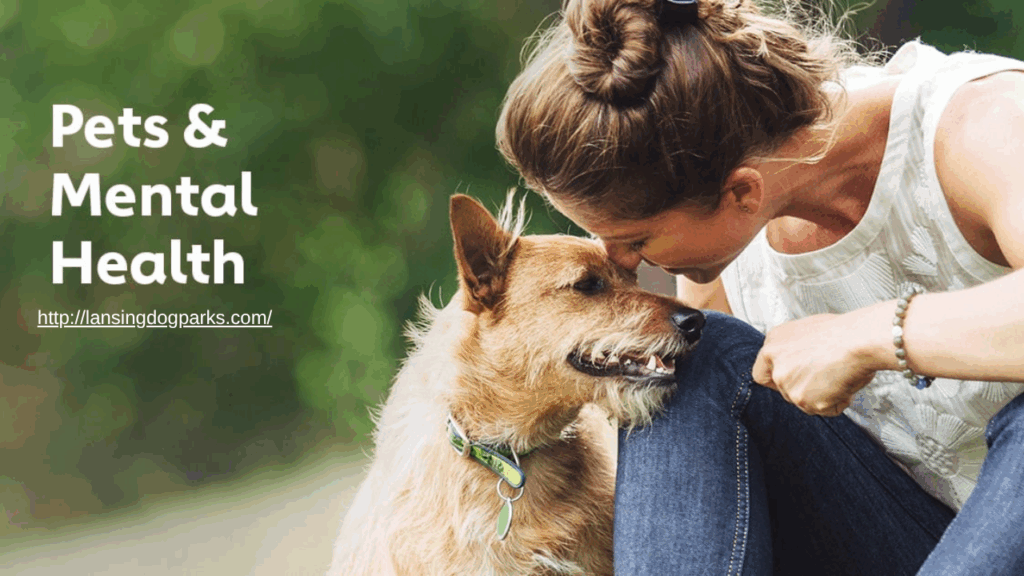
Recovery from addiction and mental health challenges is rarely a solo journey. It requires emotional resilience, consistent care, and a supportive environment. While therapy, counseling, and medical interventions are critical components, the companionship of animals has proven to be a powerful and often underappreciated aid in the recovery process. At Lansing Dog Parks, we understand that healing is holistic and individualized. The bond between humans and their pets can enhance emotional stability, reduce stress, and strengthen long-term recovery outcomes.

Emotional Support Beyond Words

Addiction and trauma can leave individuals feeling isolated, misunderstood, or emotionally fragile. Pets provide a source of unconditional acceptance and comfort that can fill this gap. Their presence offers a safe space for emotional expression without judgment.

Scientific research shows that interaction with companion animals can lower cortisol levels, reduce anxiety, and increase serotonin and oxytocin. These neurochemical effects promote calmness, improve mood, and support emotional regulation—essential for anyone navigating the ups and downs of recovery.

Building Responsibility and Structure

One of the most significant challenges in addiction recovery is establishing routine and consistency. Animals naturally help create structure. Feeding schedules, walks, playtime, and grooming create predictable daily routines, which reinforce accountability and personal responsibility.

Caring for a pet also nurtures self-worth. Individuals in recovery often regain a sense of purpose and accomplishment as they care for another living being. This renewed confidence frequently extends into other areas of life, supporting therapy participation, social engagement, and personal goal-setting.

Reducing Isolation and Encouraging Connection

Recovery often requires distancing from past social networks that may have contributed to substance use. While this step is necessary, it can also result in loneliness. Companion animals provide consistent companionship, reducing feelings of isolation and creating a sense of belonging.

Pets can also foster new social connections. Dog walks, visits to local parks, or community events create opportunities for safe, supportive interactions. These engagements help individuals rebuild trust, form healthy relationships, and feel connected to their communities—key elements for sustaining sobriety and mental well-being.

Supporting Holistic and Faith-Based Recovery

At Lansing Dog Parks, our treatment philosophy emphasizes holistic care that addresses the mind, body, and spirit. Companion animals align naturally with this approach. Animal-assisted therapy, increasingly integrated into treatment programs, encourages empathy, mindfulness, and emotional awareness.

For those pursuing faith-based recovery, caring for rescued animals often mirrors themes of redemption, trust, and renewal. As the animal heals from past trauma or neglect, individuals in recovery simultaneously experience emotional restoration, reinforcing the spiritual dimensions of their journey.

Strengthening Recovery with Four-Legged Companions

Pets provide more than companionship; they offer stability, emotional support, and opportunities for meaningful connection that can significantly enhance mental health and addiction recovery. Through routine, responsibility, and relational healing, animals become invaluable partners on the road to long-term wellness.

At Lansing Dog Parks, we offer compassionate, individualized care that supports the whole person. If you or a loved one is navigating addiction or mental health challenges, reach out today. Together, with the support of skilled professionals and the steady presence of a loyal companion, recovery is not only possible—it can also be deeply rewarding.

The Healing Bond: Why Pet Companionship Strengthens Recovery Journeys

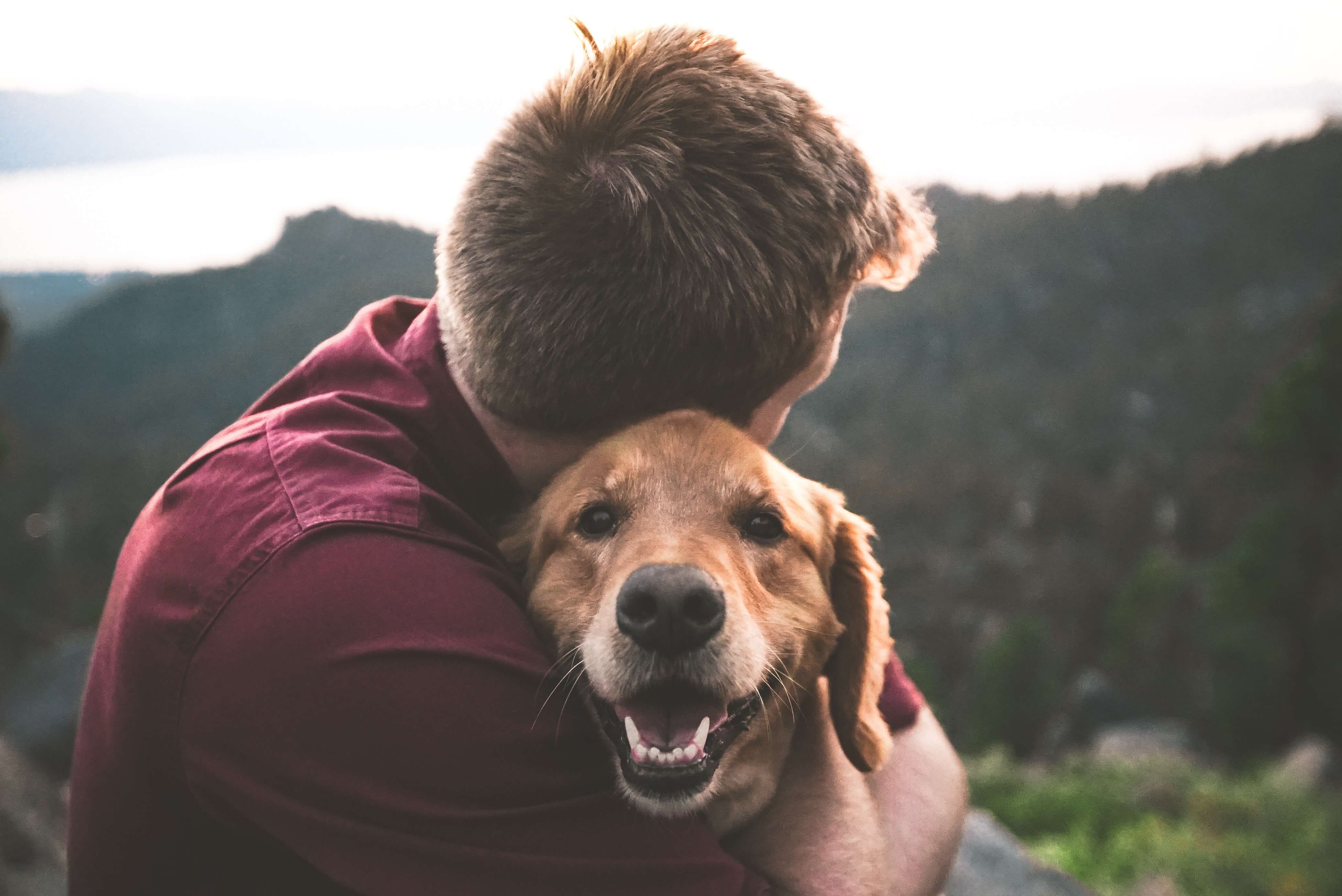
Recovery from addiction and mental health challenges is a multifaceted journey that requires care, support, and consistent effort. While therapy, medical treatment, and counseling form the backbone of recovery, another powerful tool often goes underrecognized: the bond between humans and their pets. Companion animals provide emotional stability, structure, and unconditional love, all of which can reinforce the healing process. At Lansing Dog Parks, we emphasize holistic, faith-based, and individualized approaches to recovery, and the transformative role of pets is a vital part of that vision.

Unconditional Support Through Companionship

Addiction and trauma often leave individuals feeling isolated and disconnected from those around them. Pets provide a consistent source of companionship without judgment or expectation. A dog’s excitement at the sound of your footsteps or a cat curling up quietly beside you can offer comfort that restores trust in connection.

Research supports the emotional benefits of this bond. Interacting with animals has been shown to lower cortisol, the stress hormone, and increase oxytocin, sometimes called the “love hormone,” which helps regulate mood and fosters feelings of safety. For individuals in recovery, these physiological benefits can create a calmer, more centered emotional state, making it easier to manage cravings, anxiety, or depression.

Building Routine and Responsibility

A major challenge in recovery is reestablishing structure and purpose in daily life. Pets naturally provide both. Feeding, walking, grooming, and playtime introduce predictable routines, which can help individuals regain a sense of stability.

Caring for a pet also reinforces responsibility. Knowing that another life depends on your attention encourages self-discipline and nurtures self-worth. This structure often extends beyond the pet, supporting healthier habits, therapy attendance, and personal accountability, all of which are critical for long-term recovery.

Emotional Regulation and Stress Relief

Recovery is rarely a linear process. Emotional triggers and stress can challenge even the most committed individual. Companion animals act as emotional anchors during these moments. Petting, playing, or simply sitting with an animal has been shown to reduce anxiety and promote relaxation, providing a healthy coping mechanism in place of previous harmful behaviors.

This interaction encourages mindfulness—the ability to remain present and focused—which is a crucial skill for maintaining sobriety and mental well-being. By providing consistent emotional support, pets help individuals navigate the ups and downs of recovery with greater resilience.

Reducing Isolation and Encouraging Social Connection

Many people in early recovery may distance themselves from unhealthy social circles, which can increase feelings of loneliness. Pets fill this gap, offering consistent companionship and reducing isolation. Additionally, animals can encourage positive social engagement. Walking a dog in a local park or attending pet-friendly community events creates opportunities for new, supportive human connections.

These interactions help individuals rebuild trust, form meaningful relationships, and integrate into a supportive recovery community—key factors in sustaining long-term sobriety.

Integrating Pet Companionship into Holistic Recovery

At Lansing Dog Parks, our approach emphasizes the whole person—mind, body, and spirit. Companion animals fit naturally into this model, enhancing both emotional and social well-being. Animal-assisted therapy is increasingly recognized as a valuable complement to traditional treatment, helping clients develop empathy, emotional awareness, and resilience.

Faith-based recovery programs also find symbolic value in pet companionship. Caring for rescued animals reflects themes of redemption, grace, and renewed trust, reinforcing the spiritual dimensions of healing.

Strengthening Recovery, One Paw at a Time

Pets provide more than companionship; they offer emotional support, structure, and opportunities for meaningful connection that can profoundly strengthen recovery journeys. By nurturing these bonds, individuals in recovery gain tools for resilience, mindfulness, and hope.

At Lansing Dog Parks, we provide compassionate, individualized care that supports holistic healing. If you or a loved one is navigating the challenges of addiction or mental health recovery, reach out today. Healing is possible, and the bond with a companion animal may be the steady support that helps guide the journey toward lasting wellness.

From Trauma to Trust: How Caring for Pets Boosts Emotional Healing

Recovery from addiction and mental health struggles often begins with shattered trust — in oneself, in others, and sometimes in life itself. One unexpected but deeply powerful way to rebuild that foundation of trust is through caring for a companion animal. At Lansing Dog Parks, we know that healing is not just clinical; it is also relational. Building a bond with a pet can help individuals move from trauma toward emotional restoration, offering steady, non-judgmental support every step of the way.

The Comfort of a Non-Judgmental Presence

After trauma, many people in recovery struggle to feel safe in relationships. Pets provide a uniquely gentle presence. They do not judge, criticize, or carry expectations. Their loyalty is simple and consistent. This unconditional acceptance can help individuals in recovery re-learn what it means to trust, to feel seen, and to matter.

Scientific research supports this bond. Interacting with animals has been shown to reduce cortisol, the stress hormone, while increasing oxytocin, often called the “bonding hormone” Oasis Recovery Center+2Arrowwood Addiction Treatment+2. These neurochemical shifts help calm the nervous system, making it easier for someone to process trauma and regulate overwhelming emotions.

Establishing Routine and Responsibility

Trauma and addiction can upend daily life, leaving people feeling adrift and disconnected. Caring for a pet naturally restores structure. Feeding, walking, grooming, and play create dependable rituals that anchor daily living. This routine builds accountability and purpose — two pillars of long-term recovery Rehab Today+1.

Responsibility for a living being fosters self-worth. When someone realizes that their pet depends on them, it nurtures a renewed belief in their capacity to care, to protect, and to provide. This shift in mindset often ripples into other areas of life, reinforcing healthy habits and encouraging greater self-compassion.

Healing Through Neurochemical Connection

Many people in recovery carry deep emotional wounds that make vulnerability difficult. Pets offer a safe, steady way to rebuild openness and trust. As animal-assisted therapy research shows, moments of connection with animals stimulate feel-good neurotransmitters like dopamine and serotonin, which support emotional healing Arrowwood Addiction Treatment+1.

Over time, these positive interactions can help rewrite old patterns. Caring for a pet helps form new neural pathways, encouraging healthier coping strategies and supporting the brain’s capacity to change — a process known as neuroplasticity Impact Wellness Network.

Reducing Isolation and Rebuilding Social Trust

Trauma and addiction often isolate people from healthy relationships. Pets, however, can help bridge that gap. Their presence alone reduces feelings of loneliness, while caring for them can promote social engagement. Taking a dog for a walk or visiting a dog park can lead to casual, low-pressure interactions with others — gentle steps toward rebuilding social trust Rehab Today.

Moreover, animal-assisted therapy often takes place in group or community settings. Shared experiences with animals can become a platform for connection, empathy, and honest conversation. Through these shared moments, individuals learn that vulnerability, kindness, and mutual care are possible again.

Supporting Holistic and Faith-Based Healing

At Lansing Dog Parks, our recovery philosophy is deeply holistic. We understand that healing goes beyond symptom treatment — it involves mind, body, and spirit. For those seeking faith-based recovery, caring for a rescued animal can reflect deeper themes of grace, redemption, and trust restored. Just as the pet learns to trust again, so does the person.

This relational healing aligns beautifully with our individualized treatment model, whether in inpatient or outpatient care. Animals become part of a broader healing ecosystem — one that values emotional safety, spiritual renewal, and personal transformation.

Conclusion: Taking the Next Step Toward Healing

From trauma to trust is not a simple path, but it is one that countless individuals walk successfully — often accompanied by a loyal, four-legged friend. Pets offer steady companionship, emotional regulation, and the chance to rebuild a pattern of care and connection.

If you or someone you love is navigating the challenges of addiction or trauma recovery, remember: healing does not happen in isolation. At Lansing Dog Parks, our compassionate, client-centered care is built on trust, understanding, and holistic support. Reach out today. Together, we can walk toward a future marked by resilience, hope, and renewed trust — one paw at a time.

Furry Friends, Stronger Minds: The Role of Companion Animals in Sobriety

Addiction recovery is not only about breaking free from substances—it’s about rebuilding life with purpose, emotional balance, and hope. While counseling, therapy, and medical treatment form the foundation of recovery, the bond between humans and animals adds a powerful layer of emotional healing. Companion animals bring comfort, structure, and unconditional love that can support sobriety and mental wellness in ways that traditional treatment alone cannot. At Lansing Dog Parks, we believe in holistic, faith-based, and individualized care, where emotional and spiritual healing are just as important as physical recovery.

The Healing Bond Between Humans and Animals

Addiction often leaves individuals feeling isolated, disconnected, or misunderstood. Pets help bridge that emotional gap. Their loyal companionship provides a sense of stability and reassurance, creating a safe emotional space where trust and affection can grow again. This relationship reminds people in recovery that they are worthy of love and capable of building healthy, lasting bonds.

Research shows that interactions with animals can significantly reduce stress and anxiety levels. Petting a dog or cat can lower cortisol, a stress hormone, while increasing oxytocin and serotonin—chemicals associated with happiness and relaxation. These physiological benefits can help reduce the intensity of cravings and promote calmness during challenging moments of sobriety.

Building Structure and Responsibility

For many in recovery, establishing new routines is crucial. Addiction can disrupt daily life, making it difficult to maintain consistency or a sense of purpose. Caring for a pet reintroduces healthy structure. Feeding times, walks, grooming, and play all require attention and regularity, helping individuals create dependable daily patterns.

This responsibility not only fosters discipline but also instills confidence. Knowing that another life depends on their care can motivate individuals to stay committed to their own recovery journey. Over time, this accountability helps rebuild self-esteem and provides a renewed sense of purpose.

Emotional Stability and Stress Relief

Sobriety brings clarity, but it can also surface unresolved emotions such as guilt, grief, or anxiety. Companion animals serve as a soothing presence during these vulnerable moments. Their unconditional affection and ability to sense human emotions make them powerful sources of comfort and grounding.

For individuals struggling with stress or emotional triggers, spending time with a pet can act as a healthy coping mechanism. Whether through walking a dog, playing fetch, or simply sitting together, these small moments create mindfulness—helping people stay present and focused instead of turning to old habits.

Reducing Loneliness and Fostering Connection

Recovery can sometimes feel lonely, especially during early sobriety when individuals may distance themselves from former social circles. Pets help fill that emotional void. They provide companionship that alleviates isolation and encourage positive social engagement.

A dog walk at Lansing Dog Parks or a visit to a local animal-friendly space can naturally lead to social interaction and community connection. These new, healthy relationships can strengthen emotional resilience and reinforce sobriety goals.

Integrating Pets into Holistic Healing

At Lansing Dog Parks, we understand that healing from addiction and mental health challenges requires a holistic approach—one that nurtures body, mind, and spirit. Companion animals fit naturally into this model. They promote physical activity, emotional stability, and spiritual renewal. Many faith-based and therapeutic programs now incorporate animal-assisted therapy as a complement to counseling and group work, helping individuals rediscover joy and connection through compassion and care.

Finding Strength Through Companionship

Sobriety is a courageous journey of transformation, and no one should have to face it alone. Companion animals remind us of life’s simple but powerful truths: love heals, connection matters, and every new day brings hope.

At Lansing Dog Parks, we are dedicated to helping individuals find balance and peace through compassionate, individualized recovery programs. If you or someone you love is ready to begin the path to healing, reach out today. Together—with the support of faith, care, and maybe a furry friend—you can build a life full of strength, purpose, and joy.

Healing Paws: How Pets Support Addiction Recovery and Mental Health

Recovery from addiction and mental health challenges is often a complex and deeply personal journey. While professional therapy, medical treatment, and support groups form the foundation of healing, the companionship of pets can play a uniquely powerful role. Animals provide unconditional love, emotional support, and a sense of purpose that can significantly enhance both mental wellness and sobriety. At Lansing Dog Parks, we recognize that holistic, individualized care is essential, and the bond between humans and their pets can be a transformative part of the recovery process.

The Emotional Benefits of Companion Animals

Addiction and trauma can leave individuals feeling isolated, anxious, or unworthy of connection. Pets offer a consistent source of comfort and emotional grounding. Their unconditional acceptance allows individuals in recovery to experience love and connection without judgment. This relationship can restore confidence, reduce feelings of loneliness, and support long-term emotional well-being.

Scientific research confirms that interacting with pets can lower cortisol levels and increase the production of serotonin and oxytocin. These chemical changes promote relaxation, alleviate stress, and help regulate mood. In recovery, these emotional benefits can make a tangible difference in coping with cravings, triggers, and challenging emotions.

Promoting Structure and Responsibility

Addiction often disrupts daily routines and personal accountability. Caring for a pet naturally introduces structure and responsibility into everyday life. Feeding schedules, daily walks, grooming, and attention to the pet’s needs encourage consistency and healthy habits.

This sense of purpose is critical in recovery. When individuals realize that another life depends on their care, it reinforces accountability and fosters motivation to maintain positive routines. The responsibilities associated with pet ownership often extend beyond the pet itself, helping individuals develop habits that support their own health, wellness, and sobriety.

Reducing Isolation and Encouraging Social Engagement

Recovery often involves stepping away from unhealthy social environments, which can lead to isolation. Pets provide a reliable source of companionship that combats loneliness. They also encourage social interaction. Dog walks, park visits, and community events create opportunities to meet new people, develop friendships, and build supportive networks that are vital to long-term recovery.

These connections can help individuals feel more integrated in their communities and offer encouragement at critical moments in their healing journey.

Integrating Pets into Holistic Recovery

At Lansing Dog Parks, our approach to recovery emphasizes holistic and faith-based care that addresses the mind, body, and spirit. Pets complement this approach by providing emotional, mental, and social support. Many recovery programs now incorporate animal-assisted therapy, where interactions with trained animals are intentionally used to reduce anxiety, improve mood, and foster emotional regulation.

For individuals seeking spiritual or faith-based recovery, caring for a rescued animal can also symbolize grace, redemption, and renewal. Just as the animal learns to trust and thrive again, individuals in recovery can rediscover hope and embrace the possibility of a brighter future.

Healing Together with Pets

Recovery is a journey that requires patience, support, and resilience. Pets offer more than companionship—they provide emotional stability, structure, and meaningful connection that can significantly enhance both mental health and sobriety.

At Lansing Dog Parks, we are committed to supporting each individual through holistic, compassionate, and personalized care. If you or a loved one is seeking help for addiction or mental health challenges, reach out today. Healing is possible, and sometimes it begins with the unconditional love of a four-legged friend.

When Healing Has Paws: Rebuilding Life Through Animal Companionship

Recovery from addiction and mental health challenges is a journey that often requires support from multiple sources. While therapy, counseling, and medical treatment provide essential tools, another powerful source of healing is sometimes overlooked: animal companionship. Pets offer unconditional love, emotional support, and a sense of purpose that can accelerate recovery and promote long-term wellness. At Lansing Dog Parks, we understand that individualized, holistic care is key to rebuilding life, and the bond between humans and animals plays a meaningful role in that process.

The Emotional Benefits of Pet Companionship

One of the most profound ways animals support recovery is through emotional connection. Addiction and trauma can leave individuals feeling isolated, anxious, or unworthy of love. Companion animals provide comfort without judgment, offering a consistent source of affection and stability.

Interactions with pets have been shown to reduce stress, anxiety, and symptoms of depression. The act of petting a dog or cat can release oxytocin and serotonin, helping to calm the mind and support emotional regulation. For someone navigating the ups and downs of recovery, these interactions create moments of reassurance and grounding that are difficult to replicate through therapy alone.

Restoring Structure and Responsibility

Recovery often requires re-establishing daily routines and rebuilding a sense of purpose. Pets naturally encourage structure. Feeding, walking, and caring for an animal introduces healthy habits into daily life. These responsibilities foster accountability, helping individuals stay focused on their recovery goals.

By caring for a living being that depends on them, individuals in recovery often experience a renewed sense of self-worth and accomplishment. This sense of purpose can extend into other areas of life, encouraging engagement with therapy, social interactions, and personal development.

Reducing Isolation and Encouraging Connection

Isolation can be a significant challenge during recovery. Many people in early sobriety step away from previous social circles, which can increase feelings of loneliness. Pets help bridge that gap. They provide consistent companionship and reduce the sense of being alone.

Additionally, pets can facilitate human connections. Walking a dog in a local park or participating in pet-related community activities encourages social interaction and can help individuals rebuild trust and friendships in healthy ways. These social opportunities support emotional well-being and contribute to sustained recovery.

Integrating Animal Companionship into Holistic Care

At Lansing Dog Parks, we emphasize holistic, faith-based, and individualized approaches to healing. Companion animals fit seamlessly into this model. They support emotional, mental, and even physical wellness. Many treatment programs now incorporate animal-assisted therapy, where interactions with trained pets are intentionally used to improve mood, emotional regulation, and social engagement.

For those seeking faith-based recovery, the bond with an animal can symbolize grace, redemption, and renewal. Just as a rescued animal learns to trust again, individuals in recovery can embrace the possibility of new beginnings and hope for the future.

Moving Forward Together

Recovery is a journey of rebuilding life from the ground up, and animals can be a powerful partner in that process. Through unconditional love, emotional support, and purposeful engagement, pets help individuals heal, find balance, and regain confidence in themselves.

At Lansing Dog Parks, we provide compassionate, individualized care that addresses the mind, body, and spirit. If you or someone you love is navigating the challenges of addiction or mental health, reach out today. Healing is possible, and sometimes, it begins with the simple, transformative companionship of a loyal animal.

Hope on a Leash: The Lifesaving Bond Between Companion Animals and Recovery

For those walking the difficult path of addiction recovery, hope can sometimes feel distant. Healing requires courage, consistency, and compassion—qualities that can be nurtured through the gentle presence of a companion animal. Whether it’s the loyalty of a dog, the calm of a cat, or the comfort of any beloved pet, animals have a remarkable ability to reach the human heart in ways that words often cannot. At Lansing Dog Parks, we recognize that recovery is not only a medical journey but also an emotional and spiritual one. Companion animals play an invaluable role in helping individuals rebuild trust, find stability, and rediscover purpose.

The Restorative Power of Connection

Addiction and trauma can leave individuals feeling isolated and disconnected from others. Companion animals bridge that gap through their simple, honest presence. They offer affection without expectation and acceptance without judgment. This bond reminds individuals in recovery that they are worthy of love and capable of forming healthy connections. The trust built between a person and their pet often mirrors the trust they are learning to rebuild within themselves and with others.

For many, this emotional connection can reignite motivation. The act of caring for a pet—feeding, walking, grooming, and playing—creates a sense of responsibility that brings structure back into daily life. These routines promote accountability and purpose, two essential pillars of lasting recovery.

Emotional Support When It’s Needed Most

Recovery is not a straight path. There are moments of doubt, frustration, and emotional strain. During these times, animals can serve as calming anchors. Studies have shown that spending time with pets can lower stress hormones, reduce anxiety, and increase the body’s natural production of feel-good chemicals such as oxytocin and serotonin.

When cravings or emotional triggers arise, the simple act of petting a dog or sitting quietly with a cat can help restore calm and focus. These moments of connection encourage mindfulness—being present in the moment—which is a key skill in maintaining sobriety and emotional balance.

A Mirror for Healing and Hope

Just as humans in recovery are learning to heal, many rescued animals have their own stories of survival. This shared journey often deepens the emotional bond between person and pet. Witnessing a once-neglected animal thrive through love and care can serve as a powerful reminder that recovery is possible for anyone willing to try again. Both human and animal begin to heal together, forming a mutual partnership built on trust and resilience.

Integrating Pet Companionship into Holistic Recovery

At Lansing Dog Parks, we believe recovery is most effective when it treats the whole person—body, mind, and spirit. Companion animals support this holistic approach by addressing emotional needs that traditional therapies may not fully reach. They help reduce loneliness, inspire positive emotions, and encourage physical activity, all of which support long-term wellness.

Whether someone is participating in inpatient care, outpatient therapy, or faith-based counseling, the inclusion of animal companionship can enhance the recovery experience. Many treatment programs now encourage pet-assisted therapy sessions, where clients engage with trained animals in a therapeutic setting to promote emotional regulation and self-awareness.

Walking Forward Together

Recovery is a journey that requires courage, compassion, and connection—and sometimes, those lessons are taught best by a furry companion. Pets remind us of life’s simple joys: unconditional love, forgiveness, and presence. They help individuals rediscover trust, build emotional stability, and move forward with renewed hope.

At Lansing Dog Parks, we are committed to supporting every step of that healing process through compassionate, holistic, and individualized care. If you or someone you love is ready to begin the journey toward recovery, reach out today. Healing is possible, and sometimes, hope comes on four paws and a wagging tail.

Four-Legged Recovery Partners: How Pets Help Overcome Addiction and Trauma

Addiction and trauma can leave deep emotional scars, often making the path to healing feel overwhelming. For many people, the journey to recovery is strengthened by an unexpected yet powerful source of support: companion animals. Dogs, cats, and other pets offer unconditional love, stability, and emotional grounding that can make the difference between relapse and resilience. At Lansing Dog Parks, we recognize the importance of holistic healing, and pet companionship is one of the many ways individuals can find hope and strength as they rebuild their lives.

The Healing Power of Unconditional Love

When someone struggles with addiction or trauma, feelings of shame, guilt, and isolation can become overwhelming. Animals provide a unique type of healing because their love comes without judgment. A dog that greets you with joy at the door or a cat that curls up quietly by your side offers comfort and reassurance. This unconditional acceptance helps individuals in recovery rebuild self-worth and remember that they are deserving of care and compassion.

Structure and Routine in Recovery

Addiction often disrupts daily life, creating chaos and instability. One of the greatest challenges in recovery is re-establishing structure. Pets naturally bring routine to a person’s day. Feeding schedules, walks, grooming, and playtime all encourage consistency and responsibility. These small but meaningful habits help individuals regain control and build the foundation for long-term healing. The sense of purpose that comes from caring for another living being reinforces accountability and strengthens commitment to recovery goals.

Emotional Support and Stress Relief

Managing triggers, cravings, and emotional stress is a core part of addiction recovery. Interacting with animals has been shown to lower cortisol levels, reduce anxiety, and boost positive emotions. Simple acts like stroking a pet’s fur or taking a dog for a walk can create moments of calm that soothe both mind and body. Pets provide comfort during difficult days, offering a healthy and immediate form of emotional support that helps individuals navigate the ups and downs of recovery.

Building Connection and Reducing Isolation

Recovery often requires distancing from unhealthy relationships, which can leave individuals feeling lonely. Pets help bridge this gap by offering companionship and reducing isolation. For someone who feels disconnected from people, the bond with a pet provides steady emotional connection. In addition, pets can serve as a bridge to new social opportunities. Walking a dog in the park or attending community pet events can create natural ways to meet others, rebuild trust, and develop positive relationships.

A Holistic Approach to Healing

At Lansing Dog Parks, we believe recovery is about more than overcoming addiction. It is about restoring the whole person—body, mind, and spirit. Our holistic, faith-based, and individualized care models reflect this belief. Companion animals often play an important role in that process, serving as tangible reminders of grace, responsibility, and unconditional love. Just as many rescued pets learn to trust again, people in recovery can also discover healing, resilience, and the hope of a new life.

Finding Strength in Companionship

Recovery is not a journey meant to be walked alone. Pets offer more than companionship—they provide stability, love, and emotional grounding that help individuals overcome addiction and trauma. At Lansing Dog Parks, we are dedicated to guiding people toward healing through compassionate, holistic care. If you or a loved one is seeking recovery support, know that help is available. Reach out today and take the first step toward a healthier, more fulfilling future. Healing is possible, and sometimes it begins with the unconditional love of a four-legged friend.

From Broken to Whole: The Transformative Power of Animals in Healing Lives

Recovery from addiction and mental health challenges is not just about treatment. It is about finding hope, purpose, and the strength to rebuild. For many individuals, the path from brokenness to wholeness is supported by a surprising but powerful ally: animals. Whether it is the loyal presence of a dog or the calming companionship of a cat, animals have an extraordinary ability to help people heal emotionally and spiritually. At Lansing Dog Parks, we believe that true recovery happens when care addresses the whole person—mind, body, and spirit—and the connection with animals often becomes part of that transformation.

The Healing Bond Between Humans and Animals

Addiction and mental health struggles can leave individuals feeling disconnected, judged, or unworthy of love. Animals, however, offer unconditional acceptance. They do not care about past mistakes or struggles. Their love is freely given, creating a safe and supportive relationship that encourages healing.

This bond can restore a sense of self-worth. For someone in recovery, a pet’s loyalty becomes a daily reminder that they are valued and capable of giving love in return. It is a simple but powerful step toward emotional wholeness.

Structure, Purpose, and Responsibility

One of the challenges in recovery is rebuilding stability. Addiction often disrupts routines, leading to chaos and inconsistency. Pets help restore order by requiring daily care. Feeding times, walks, grooming, and play create a sense of rhythm and responsibility.

This structure gives individuals a reason to get out of bed, move their bodies, and engage with the world. Small daily acts of responsibility reinforce accountability, building the confidence needed to stay committed to recovery.

Emotional Support and Stress Relief

Stress, cravings, and emotional triggers are part of the recovery journey. Learning to manage these without substances is essential for long-term success. Interactions with animals provide a natural source of calm. Studies show that petting an animal lowers stress hormones and increases feel-good chemicals in the brain, improving mood and reducing anxiety.

A dog’s excitement at the end of a long day or a cat curling up quietly beside someone can create moments of peace and stability. These moments matter. They help individuals regulate emotions and find comfort without relying on unhealthy coping mechanisms.

Connection and Overcoming Isolation

Recovery often requires letting go of unhealthy relationships, which can leave individuals feeling lonely. Pets help fill this void. They offer companionship that reduces feelings of isolation and remind people they are never truly alone.

For many, animals also serve as bridges to human connection. Walking a dog in the park or engaging with other pet owners can spark conversations and create opportunities for new friendships. These small steps toward community help individuals rebuild trust and belonging.

A Holistic and Faith-Based Perspective

At Lansing Dog Parks, healing is viewed through a holistic and faith-based lens. Recovery is not only about treating symptoms but also about restoring the spirit. The relationship with animals often mirrors the themes of grace and redemption. Just as a rescued pet learns to trust again, a person in recovery can rediscover hope, faith, and the belief that a brighter future is possible.

Finding Wholeness in Connection

The journey from broken to whole is never easy, but it is always possible. Professional care, therapy, and support are vital, yet the healing power of animals offers something uniquely profound. Pets provide unconditional love, stability, and companionship that make recovery not only achievable but sustainable.

If you or someone you love is struggling with addiction or mental health challenges, know that help is available. At Lansing Dog Parks, we provide compassionate, individualized care designed to heal the whole person. Reach out today and begin your journey toward recovery. Healing is possible—and sometimes it begins with the unconditional love of an animal.

Beyond Therapy: The Emotional Benefits of Pet Companionship in Recovery

Recovery from addiction and mental health challenges is a deeply personal journey. While professional treatment, therapy, and support groups form the foundation of healing, emotional recovery often requires something more. For many individuals, pet companionship provides that missing piece. The bond between humans and animals offers comfort, connection, and a sense of purpose that goes beyond traditional therapy. At Lansing Dog Parks, we believe in holistic and individualized approaches to healing, and pet companionship is a powerful tool in building lasting wellness.

The Healing Power of Unconditional Love

Addiction and mental health struggles often carry feelings of guilt, shame, and isolation. Relationships with others may be strained, making it difficult to feel fully accepted. Pets, however, provide unconditional love and support. They do not judge or criticize. Instead, they greet their owners with joy, offering comfort during both good and difficult days.

For individuals in recovery, this acceptance can be life-changing. It helps restore a sense of self-worth and reminds them that they are deserving of care and connection.

Creating Structure and Responsibility

One of the biggest challenges during recovery is rebuilding structure in daily life. Addiction often disrupts routines and undermines responsibility. Pets naturally help restore balance. They require regular feeding, exercise, and care, which introduces healthy patterns into everyday living.

These responsibilities not only create stability but also foster accountability. Knowing that a pet depends on them encourages individuals to stay consistent, building habits that support sobriety and overall well-being.

Managing Stress and Supporting Emotional Health

Stress and emotional triggers are common obstacles in recovery. Without healthy coping strategies, the risk of relapse increases. Pets provide a natural source of stress relief. Studies show that interacting with animals reduces cortisol levels while increasing serotonin and oxytocin, which promote calmness and connection.

The simple act of petting a dog or spending time with a cat can reduce anxiety, ease depression, and bring comfort during challenging moments. This emotional regulation becomes an essential tool for maintaining long-term recovery.

Reducing Isolation and Building Connection

Recovery often involves stepping away from unhealthy environments, which can lead to feelings of loneliness. Pets help fill that gap by offering consistent companionship. They provide a steady presence that reduces isolation and helps people feel less alone in their journey.

Additionally, pets can create opportunities for social connection. Walking a dog in the community or visiting a dog park encourages conversations and builds new relationships. These small but meaningful interactions can help individuals reconnect with others and feel part of a supportive network.

Holistic and Faith-Based Perspectives

At Lansing Dog Parks, we understand that healing is not only physical but also emotional and spiritual. For those seeking holistic or faith-based approaches, the companionship of animals can symbolize grace, trust, and redemption. Just as a rescued animal learns to thrive in a safe environment, individuals in recovery can rediscover hope, purpose, and joy.

Finding Strength in Companionship

Recovery is not only about abstaining from substances. It is about rebuilding a life filled with meaning, connection, and healing. Pet companionship offers emotional benefits that complement therapy and medical treatment, helping individuals find stability, love, and hope.

If you or someone you love is struggling with addiction or mental health challenges, know that support is available. At Lansing Dog Parks, we provide compassionate, individualized care that addresses the whole person—mind, body, and spirit. Reach out today to begin your recovery journey and discover how healing can be found not only in therapy but also in the companionship of a loyal pet.