From Broken to Whole: The Transformative Power of Animals in Healing Lives

Recovery from addiction and mental health challenges is not just about treatment. It is about finding hope, purpose, and the strength to rebuild. For many individuals, the path from brokenness to wholeness is supported by a surprising but powerful ally: animals. Whether it is the loyal presence of a dog or the calming companionship of a cat, animals have an extraordinary ability to help people heal emotionally and spiritually. At Lansing Dog Parks, we believe that true recovery happens when care addresses the whole person—mind, body, and spirit—and the connection with animals often becomes part of that transformation.

The Healing Bond Between Humans and Animals

Addiction and mental health struggles can leave individuals feeling disconnected, judged, or unworthy of love. Animals, however, offer unconditional acceptance. They do not care about past mistakes or struggles. Their love is freely given, creating a safe and supportive relationship that encourages healing.

This bond can restore a sense of self-worth. For someone in recovery, a pet’s loyalty becomes a daily reminder that they are valued and capable of giving love in return. It is a simple but powerful step toward emotional wholeness.

Structure, Purpose, and Responsibility

One of the challenges in recovery is rebuilding stability. Addiction often disrupts routines, leading to chaos and inconsistency. Pets help restore order by requiring daily care. Feeding times, walks, grooming, and play create a sense of rhythm and responsibility.

This structure gives individuals a reason to get out of bed, move their bodies, and engage with the world. Small daily acts of responsibility reinforce accountability, building the confidence needed to stay committed to recovery.

Emotional Support and Stress Relief

Stress, cravings, and emotional triggers are part of the recovery journey. Learning to manage these without substances is essential for long-term success. Interactions with animals provide a natural source of calm. Studies show that petting an animal lowers stress hormones and increases feel-good chemicals in the brain, improving mood and reducing anxiety.

A dog’s excitement at the end of a long day or a cat curling up quietly beside someone can create moments of peace and stability. These moments matter. They help individuals regulate emotions and find comfort without relying on unhealthy coping mechanisms.

Connection and Overcoming Isolation

Recovery often requires letting go of unhealthy relationships, which can leave individuals feeling lonely. Pets help fill this void. They offer companionship that reduces feelings of isolation and remind people they are never truly alone.

For many, animals also serve as bridges to human connection. Walking a dog in the park or engaging with other pet owners can spark conversations and create opportunities for new friendships. These small steps toward community help individuals rebuild trust and belonging.

A Holistic and Faith-Based Perspective

At Lansing Dog Parks, healing is viewed through a holistic and faith-based lens. Recovery is not only about treating symptoms but also about restoring the spirit. The relationship with animals often mirrors the themes of grace and redemption. Just as a rescued pet learns to trust again, a person in recovery can rediscover hope, faith, and the belief that a brighter future is possible.

Finding Wholeness in Connection

The journey from broken to whole is never easy, but it is always possible. Professional care, therapy, and support are vital, yet the healing power of animals offers something uniquely profound. Pets provide unconditional love, stability, and companionship that make recovery not only achievable but sustainable.

If you or someone you love is struggling with addiction or mental health challenges, know that help is available. At Lansing Dog Parks, we provide compassionate, individualized care designed to heal the whole person. Reach out today and begin your journey toward recovery. Healing is possible—and sometimes it begins with the unconditional love of an animal.

Beyond Therapy: The Emotional Benefits of Pet Companionship in Recovery

Recovery from addiction and mental health challenges is a deeply personal journey. While professional treatment, therapy, and support groups form the foundation of healing, emotional recovery often requires something more. For many individuals, pet companionship provides that missing piece. The bond between humans and animals offers comfort, connection, and a sense of purpose that goes beyond traditional therapy. At Lansing Dog Parks, we believe in holistic and individualized approaches to healing, and pet companionship is a powerful tool in building lasting wellness.

The Healing Power of Unconditional Love

Addiction and mental health struggles often carry feelings of guilt, shame, and isolation. Relationships with others may be strained, making it difficult to feel fully accepted. Pets, however, provide unconditional love and support. They do not judge or criticize. Instead, they greet their owners with joy, offering comfort during both good and difficult days.

For individuals in recovery, this acceptance can be life-changing. It helps restore a sense of self-worth and reminds them that they are deserving of care and connection.

Creating Structure and Responsibility

One of the biggest challenges during recovery is rebuilding structure in daily life. Addiction often disrupts routines and undermines responsibility. Pets naturally help restore balance. They require regular feeding, exercise, and care, which introduces healthy patterns into everyday living.

These responsibilities not only create stability but also foster accountability. Knowing that a pet depends on them encourages individuals to stay consistent, building habits that support sobriety and overall well-being.

Managing Stress and Supporting Emotional Health

Stress and emotional triggers are common obstacles in recovery. Without healthy coping strategies, the risk of relapse increases. Pets provide a natural source of stress relief. Studies show that interacting with animals reduces cortisol levels while increasing serotonin and oxytocin, which promote calmness and connection.

The simple act of petting a dog or spending time with a cat can reduce anxiety, ease depression, and bring comfort during challenging moments. This emotional regulation becomes an essential tool for maintaining long-term recovery.

Reducing Isolation and Building Connection

Recovery often involves stepping away from unhealthy environments, which can lead to feelings of loneliness. Pets help fill that gap by offering consistent companionship. They provide a steady presence that reduces isolation and helps people feel less alone in their journey.

Additionally, pets can create opportunities for social connection. Walking a dog in the community or visiting a dog park encourages conversations and builds new relationships. These small but meaningful interactions can help individuals reconnect with others and feel part of a supportive network.

Holistic and Faith-Based Perspectives

At Lansing Dog Parks, we understand that healing is not only physical but also emotional and spiritual. For those seeking holistic or faith-based approaches, the companionship of animals can symbolize grace, trust, and redemption. Just as a rescued animal learns to thrive in a safe environment, individuals in recovery can rediscover hope, purpose, and joy.

Finding Strength in Companionship

Recovery is not only about abstaining from substances. It is about rebuilding a life filled with meaning, connection, and healing. Pet companionship offers emotional benefits that complement therapy and medical treatment, helping individuals find stability, love, and hope.

If you or someone you love is struggling with addiction or mental health challenges, know that support is available. At Lansing Dog Parks, we provide compassionate, individualized care that addresses the whole person—mind, body, and spirit. Reach out today to begin your recovery journey and discover how healing can be found not only in therapy but also in the companionship of a loyal pet.

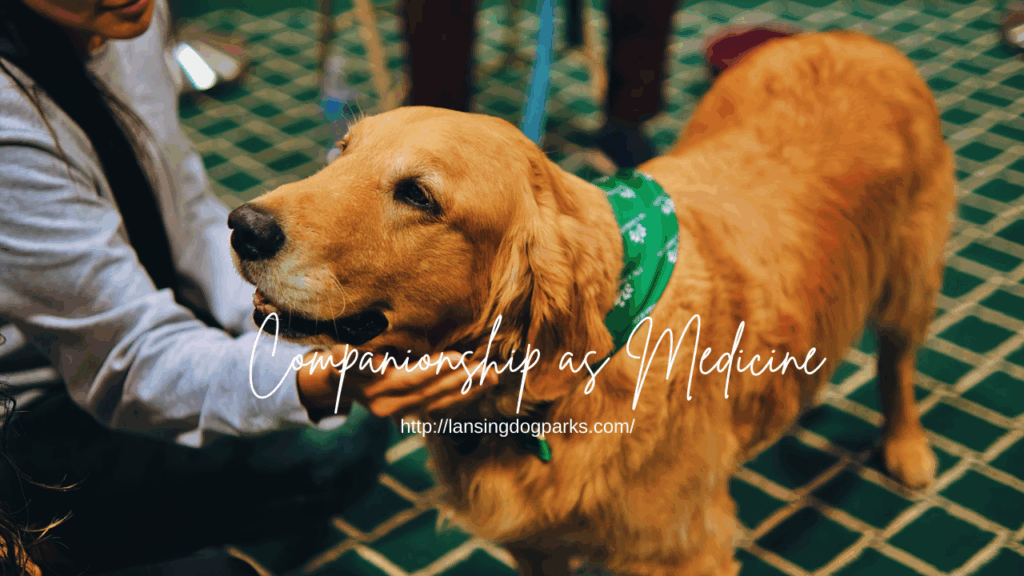
Companionship as Medicine: How Animals Support Mental Health and Sobriety

Healing from addiction and managing mental health challenges can often feel overwhelming. While professional treatment and therapy form the foundation of recovery, the role of companionship, particularly through animals, is an often-overlooked but deeply powerful form of support. Pets offer comfort, stability, and unconditional love, helping individuals in recovery reconnect with life, purpose, and themselves. At Lansing Dog Parks, we recognize that healing is not just about treating symptoms but about fostering whole-person wellness, and animals play a meaningful role in that journey.

The Power of Unconditional Love

One of the most valuable aspects of animal companionship is the unconditional love pets provide. Unlike people, animals do not judge or criticize. They accept their caregivers as they are in the moment. For individuals struggling with guilt, shame, or low self-worth, this acceptance is profoundly healing. It reinforces the belief that they are worthy of love and capable of giving love in return.

This steady emotional connection can help fill the void that often drives substance use, giving individuals a healthier, more nurturing source of comfort.

Routine, Structure, and Responsibility

Recovery requires stability, and pets naturally create routines. Feeding times, exercise, and regular care encourage consistency and responsibility. This structure helps individuals in sobriety rebuild accountability while fostering a sense of purpose. Small acts of care, such as taking a dog for a walk or grooming a cat, contribute to larger patterns of self-care that strengthen recovery.

When someone recognizes that another life depends on them, it can be a powerful motivator to remain committed to their own healing.

Reducing Stress and Supporting Emotional Health

Stress and anxiety are common triggers for relapse. Pets offer a calming influence, helping to regulate emotions and reduce tension. Research has shown that spending time with animals lowers stress hormones and increases serotonin and dopamine, which are natural mood stabilizers. Simple interactions, such as stroking a pet’s fur or watching them play, can ease anxiety and bring moments of peace.

For those in recovery, these natural mood boosts are more than just comforting. They provide safe and sustainable ways to manage emotions without turning to substances.

Encouraging Social Connection

Isolation often accompanies both addiction and mental health struggles. Pets, especially dogs, help bridge the gap to community and connection. Dog parks, walking trails, and pet-friendly spaces naturally create opportunities for social interaction. Even small conversations with other pet owners can combat loneliness and build a sense of belonging.

These connections may seem simple, but they are essential in recovery, where rebuilding trust and healthy relationships is a key part of long-term success.

A Holistic and Faith-Based Perspective

Holistic healing looks at the mind, body, and spirit together, and animal companionship fits naturally into this approach. Pets remind us of the beauty of creation, the value of trust, and the power of unconditional love. For those who seek faith-based recovery, the bond with an animal can even symbolize redemption and grace. Just as a rescued pet learns to trust again, a person in recovery learns to embrace hope and new beginnings.

Finding Strength in Companionship

Recovery is not a journey meant to be traveled alone. While professional treatment provides essential tools, the companionship of animals offers emotional healing that complements therapy and support groups. Pets remind us to live in the present, to find joy in small moments, and to remain committed to both love and responsibility.

If you or someone you love is seeking recovery support, Lansing Dog Parks is here to help. With individualized care that blends professional treatment, holistic approaches, and compassionate guidance, we are committed to walking alongside you in every step of the journey. Reach out today and begin your path to healing, with the knowledge that you never have to walk it alone.

Healing Together: The Mutual Recovery Journey of Humans and Their Pets

Recovery is rarely a one-way street. For many individuals healing from addiction and mental health challenges, companionship plays a vital role in creating a foundation of stability and hope. At the same time, countless animals who have faced neglect or abandonment are also searching for safety and love. When humans and pets come together, they often begin a shared journey of healing, one that transforms both lives in profound and lasting ways.

The Unique Bond of Mutual Healing

Addiction and mental health struggles can leave individuals feeling isolated, unworthy, and disconnected. Animals, particularly those who have been rescued, often carry their own histories of hardship. This shared vulnerability builds a natural bond of trust and understanding. By caring for a pet, individuals in recovery experience unconditional love and acceptance, while the animal gains a renewed sense of security.

This relationship reminds people that healing is possible and that every living being deserves compassion. It is a reminder that second chances are not only possible but deeply meaningful.

Structure, Routine, and Responsibility

A successful recovery process requires consistency and stability. Pets naturally bring structure into daily life. Feeding schedules, walks, grooming, and playtime create regular routines that help individuals stay grounded. For someone learning to rebuild after addiction, these small daily tasks provide a sense of accountability and purpose.

This responsibility can be empowering. When a person recognizes that their choices directly affect the well-being of another life, it often reinforces their motivation to stay committed to recovery. Caring for a pet becomes a gentle but powerful step toward caring for oneself.

Emotional Regulation and Stress Relief

One of the most challenging aspects of recovery is learning to manage difficult emotions without turning to substances. Here, animals can make a significant difference. Research shows that spending time with pets reduces stress hormones and increases feelings of calm and connection. The simple act of stroking a dog’s fur or listening to a cat’s purr can lower anxiety and provide comfort during moments of struggle.

In this way, pets act as natural supports for emotional regulation. They provide grounding in the present moment and serve as safe companions when cravings, loneliness, or sadness arise.

Encouraging Connection and Reducing Isolation

Isolation is a common struggle during recovery. Many individuals feel disconnected from friends, family, and community. Pets, however, help bridge that gap. Dogs, for example, encourage outdoor activity and create opportunities for social interaction in settings like parks, walking trails, and neighborhoods. These connections, even in small doses, can remind individuals that they are not alone in their journey.

Holistic and Faith-Based Perspectives

For those pursuing holistic or faith-based healing, the companionship of animals offers spiritual meaning. Many see the relationship as a symbol of redemption: just as a rescued pet learns to trust again, individuals in recovery rediscover hope and self-worth. This shared renewal reflects the deeper truth that healing is about more than survival—it is about finding purpose and joy again.

Walking the Journey Together

Recovery is not about walking alone. The journey is often strengthened by connection, love, and responsibility. Pets offer all of these in a way that feels authentic and unconditional. For individuals seeking lasting recovery, the bond with a companion animal can be a powerful reminder that healing is possible, not only for themselves but for every living being that shares their journey.

If you or someone you love is struggling with addiction or mental health challenges, know that support is available. At Lansing Dog Parks, we believe in holistic, individualized, and compassionate care that meets you where you are. Reach out today to take the next step toward healing—for yourself and, perhaps, for a companion animal who needs you too.

Rescued and Redeemed: How Caring for Animals Heals Emotional Wounds

Recovery is more than breaking free from addiction or managing mental health challenges. It is about rebuilding a life filled with meaning, connection, and hope. One of the most profound yet often overlooked healing tools is the bond between humans and animals. Caring for a rescued animal not only transforms the pet’s life but also plays a powerful role in the emotional recovery of the person providing that care.

The Power of Mutual Healing

Many individuals entering recovery carry emotional scars—shame, grief, loss, and feelings of isolation. Animals, especially those who have been rescued, often share a similar history of neglect, trauma, or abandonment. This creates a unique, unspoken understanding between human and animal. In caring for an animal’s needs, individuals in recovery often find themselves caring for their own emotional wounds as well.

This connection can become a steady source of comfort. Animals offer unconditional love and acceptance without judgment, which is something many in recovery crave as they work through feelings of guilt or self-doubt. In return, humans provide safety, food, and affection—needs that mirror their own healing journey.

Restoring Purpose and Responsibility

Addiction and mental health struggles can strip life of structure and meaning. Caring for an animal reintroduces routine and accountability. Feeding schedules, walks, grooming, and vet visits create a healthy daily rhythm. For someone who may feel adrift, these small but important responsibilities help anchor them in the present and reinforce the belief that they are capable of nurturing and protecting another living being.

This renewed sense of purpose often extends beyond pet care, inspiring individuals to take better care of themselves, stay committed to treatment, and engage more fully in life.

Reducing Stress and Supporting Emotional Regulation

The science behind the healing power of animals is compelling. Interacting with a pet can lower stress hormones, reduce anxiety, and improve mood. Petting a dog or cat releases oxytocin, a hormone linked to bonding and emotional comfort. For individuals navigating the challenges of early sobriety or ongoing mental health treatment, this calming influence can be a valuable tool for managing triggers and preventing relapse.

Encouraging Connection and Social Engagement

Isolation can be a major barrier to recovery. Animals help break that cycle. Walking a dog or visiting a dog park encourages natural social interactions and provides opportunities to build supportive relationships. These connections, no matter how small, can help reduce loneliness and create a stronger network of encouragement.

Holistic and Faith-Based Healing

For those seeking a holistic or faith-based approach, the human-animal bond can serve as a spiritual reminder of grace, redemption, and second chances. Just as a rescued animal learns to trust again, individuals in recovery can rediscover hope and rebuild their own sense of worth.

Taking the Next Step

Healing is not a journey that must be taken alone. Whether through structured treatment programs, faith-based counseling, or the quiet companionship of a rescued animal, every step forward matters. If you or someone you love is struggling with addiction or mental health challenges, reach out for support. There is a path to redemption, and sometimes it begins with a wagging tail or a gentle purr.

Fur, Friendship, and Healing: The Role of Pets in Addiction Recovery

Addiction recovery is not just about quitting substances—it’s about rebuilding a life rooted in stability, purpose, and emotional well-being. While traditional therapies and support groups are vital, an often underappreciated force in the healing process is the companionship of animals. Pets—through their loyalty, affection, and unwavering presence—can play a powerful role in helping individuals find balance and peace in recovery. The bond between humans and animals becomes more than just friendship; it becomes a source of healing.

Unconditional Love and Nonjudgmental Support

One of the most profound emotional challenges in recovery is dealing with guilt, shame, and feelings of unworthiness. People in recovery often struggle to forgive themselves for the past, even after they’ve taken significant steps toward healing. Pets, however, don’t care about history. They love their owners unconditionally, offering affection and companionship without judgment.

This kind of love can be deeply transformative. Having a pet that shows joy just at your presence or seeks comfort in your arms can remind individuals that they are worthy of love and care. This constant, nonjudgmental support becomes a steady source of emotional strength and stability—especially when human relationships are still being rebuilt.

Stress Relief and Emotional Regulation

Recovery is an emotionally intense journey. Anxiety, depression, anger, and cravings can all surface during this time. Pets provide a natural outlet for emotional regulation. Studies have shown that spending time with animals reduces cortisol levels (the stress hormone) and increases serotonin and oxytocin, which promote calmness, bonding, and overall well-being.

The simple act of petting a dog or cat can ground someone in the present moment. Whether it’s walking a dog through the park or listening to a cat’s rhythmic purring, pets help individuals manage emotions without turning to substances for relief.

Building Routine and Responsibility

Addiction often leads to disorganized, chaotic lifestyles. One of the keys to successful recovery is rebuilding structure and developing healthy routines. Pets naturally introduce responsibility. They need to be fed, walked, groomed, and loved on a consistent basis.

This sense of daily responsibility helps individuals in recovery stay focused and engaged. It also fosters discipline and purpose—important values when striving to avoid relapse. Knowing that another living being depends on you can be a strong motivator to stay clean and committed to the recovery path.

A Bridge to Connection

Social isolation is a major challenge in recovery, especially during the early stages. Pets provide companionship that alleviates loneliness and helps reduce the risk of relapse. Additionally, animals—especially dogs—can serve as social bridges. Walking a dog or visiting a dog park often leads to conversations and new social opportunities, helping individuals feel more connected to their communities.

Conclusion

In the world of addiction recovery, healing doesn’t always come from words or medicine. Sometimes, it comes with fur, a wagging tail, or a soft purr. Pets offer more than companionship—they provide love, purpose, structure, and emotional grounding. In their quiet, consistent way, they help people move from pain to peace, proving that sometimes the best support comes on four legs.

Paws of Purpose: How Companion Animals Guide the Road to Recovery

Recovery from addiction and emotional trauma is often a difficult, lonely road. It requires courage, resilience, and the support of a strong community. While therapy, counseling, and medical treatment play essential roles, one often-overlooked ally in the recovery process is the companionship of animals. Whether it’s a loyal dog, a playful cat, or another loving pet, companion animals provide more than just company—they offer emotional healing, structure, and a renewed sense of purpose that can be life-changing for those on the path to recovery.

A Silent Source of Comfort

One of the most profound ways animals help in recovery is by providing nonjudgmental companionship. Many people battling addiction or emotional trauma carry feelings of guilt, shame, or social isolation. Relationships with other humans may feel strained or complicated, making it difficult to open up or feel supported. Pets, however, offer unconditional love. They do not care about a person’s past mistakes, nor do they hold grudges. Their loyalty and affection create a safe emotional space where healing can begin.

Interacting with animals has been shown to reduce stress, ease anxiety, and combat depression. Petting an animal triggers the release of oxytocin, a hormone that promotes bonding and emotional connection, while also lowering cortisol levels, the body’s primary stress hormone. This natural calming effect can help those in recovery manage emotional triggers and cravings more effectively.

Restoring Routine and Responsibility

Addiction often leads to chaos and disorganization in daily life. Recovery requires not only physical sobriety but also the re-establishment of routine and healthy habits. Companion animals naturally introduce structure. Feeding times, walks, grooming, and play sessions create a daily rhythm that helps individuals regain a sense of order and control.

This newfound responsibility can be empowering. Taking care of a pet requires commitment and accountability, reinforcing the idea that the person is capable of nurturing and sustaining life. For many, this sense of purpose becomes a key motivator to stay sober and continue healing.

Fostering Social Connection

Loneliness is a common challenge in recovery. Many people in early sobriety withdraw from old social circles to avoid relapse but may not yet have formed new, healthy relationships. Companion animals help fill this gap. Pets offer constant companionship, reducing feelings of isolation and providing emotional support.

Additionally, pets—especially dogs—can help break social barriers. Walking a dog in the park or attending pet-related events often leads to conversations and new friendships. This social interaction is a crucial step in rebuilding a support system, something essential for long-term recovery.

A Shared Journey of Healing

Many companion animals, especially rescue pets, have their own histories of trauma or neglect. This shared journey of healing can create a powerful bond between human and animal. Together, they rebuild trust, form new routines, and learn to navigate life with resilience and hope.

Conclusion

The road to recovery is challenging, but no one has to walk it alone. Companion animals offer unconditional love, emotional stability, and a sense of purpose that can guide individuals toward lasting healing. With their paws of purpose, these loyal companions help transform recovery from a lonely struggle into a journey of connection, growth, and renewed hope.

Healing Hearts and Minds: The Therapeutic Bond Between Humans and Animals

The connection between humans and animals has existed for thousands of years, but only in recent decades have we begun to understand the depth and therapeutic potential of this bond. Whether it’s a dog curling up beside someone during a panic attack or a cat offering quiet companionship to someone struggling with depression, animals have an uncanny ability to heal hearts and minds. This emotional connection, often referred to as the human-animal bond, has become a cornerstone in many therapeutic practices for mental health, trauma recovery, and addiction treatment.

The Science Behind the Bond

The benefits of interacting with animals are not just emotional—they’re physiological as well. Scientific studies have shown that spending time with animals can trigger the release of oxytocin, a hormone associated with bonding, love, and trust. At the same time, levels of cortisol, the body’s primary stress hormone, decrease. This hormonal shift results in lower blood pressure, reduced heart rate, and an overall sense of calm and well-being.

For individuals struggling with anxiety, depression, PTSD, or substance use disorders, this natural stress relief can be incredibly beneficial. Many find that animals provide a grounding presence in times of emotional turmoil, helping them to stay present and manage their responses more effectively.

Emotional Support Without Judgment

One of the most profound aspects of the human-animal bond is the unconditional love animals offer. Unlike human relationships, which can be complicated by judgment, past experiences, or misunderstandings, animals provide companionship that is pure and unwavering. This is especially important for people who feel isolated, stigmatized, or unworthy of love due to their struggles with mental health or addiction.

A dog doesn’t care about your past mistakes. A cat won’t hold your history against you. Their acceptance creates a safe emotional space where healing can begin. For many, this sense of being truly seen and valued—without conditions—can be a powerful catalyst for change.

Building Responsibility and Routine

Animals also bring structure to daily life. Feeding, grooming, walking, and playing with a pet require commitment and consistency. These responsibilities foster a sense of purpose and accountability—two qualities that are crucial for anyone working to rebuild their life after mental health challenges or addiction.

This routine can be particularly helpful in recovery settings, where establishing new, healthy habits is key. It not only grounds individuals in the present but also reinforces a sense of agency and self-worth as they successfully care for another living being.

Therapeutic Applications in Treatment

Animal-assisted therapy is now widely used in clinical settings, including hospitals, rehabilitation centers, and counseling offices. Therapy animals are trained to support individuals with various mental health conditions, helping them to open up emotionally, build trust, and develop coping strategies. Equine therapy, involving horses, is particularly effective in trauma recovery, as it promotes emotional awareness, communication, and self-regulation.

Conclusion

The bond between humans and animals is more than companionship—it is a source of profound healing. Through unconditional love, emotional stability, and the joy of shared connection, animals help soothe wounded hearts and calm troubled minds. As science continues to explore this relationship, one truth remains clear: sometimes, the best therapy comes on four legs and with a wagging tail or a gentle purr.Tools

Unconditional Love: How Rescue Animals Help Rescue Lives in Recovery

Addiction recovery is a deeply personal and often difficult journey, marked by emotional, physical, and psychological hurdles. While therapy, medication, and community support are vital components of the recovery process, many individuals find a powerful and unique source of healing in the form of rescue animals. These animals, often having experienced abandonment or trauma themselves, offer a kind of companionship that is pure, judgment-free, and deeply healing. In many cases, the bond formed between a person in recovery and a rescue animal becomes a life-saving connection—one rooted in shared survival and unconditional love.

Healing Through Shared Experience

Rescue animals, like those in recovery, often carry emotional scars. They may have been neglected, abused, or abandoned, and require care, patience, and love to heal. This shared experience creates a powerful bond between human and animal. People in recovery often see a reflection of their own journey in the eyes of their rescue pet—both are working to heal, to trust again, and to find stability.

This mutual healing becomes a transformative process. As individuals nurture and care for their animals, they also begin to rebuild their own emotional resilience and capacity for empathy. The act of rescuing an animal often feels symbolic—it marks the beginning of a new chapter, one rooted in compassion, responsibility, and mutual support.

The Power of Unconditional Love

Addiction often leaves individuals feeling ashamed, isolated, and unworthy of love. Many struggle with broken relationships, guilt over past actions, and a lingering sense of self-doubt. Rescue animals provide something profoundly therapeutic: unconditional love. They don’t care about a person’s past mistakes or their journey to recovery. They love freely, without judgment or expectation.

This unwavering affection helps break down emotional walls and opens the door to healing. Feeling truly accepted—without having to explain or prove anything—can be a pivotal moment in a person’s recovery. It allows individuals to begin rebuilding self-worth, learning to trust again, and believing they deserve a second chance.

Structure, Purpose, and Responsibility

Caring for a rescue animal requires daily attention and responsibility. From feeding and grooming to vet visits and exercise, these tasks provide structure—something many people in recovery need after the chaos of addiction. A consistent routine promotes discipline, stability, and a renewed sense of purpose.

Moreover, knowing that a vulnerable animal depends on them encourages individuals to stay committed to sobriety. The sense of being needed can be incredibly motivating. It reinforces the idea that their life has value—not just to themselves, but to another living being.

Rebuilding Connection and Trust

Rescue animals can also help individuals re-engage socially. Whether it’s meeting other pet owners at the park or volunteering at an animal shelter, these interactions help reduce feelings of isolation and support the rebuilding of healthy, sober relationships. Many recovery programs now incorporate pet therapy or encourage fostering rescue animals as part of treatment.

Conclusion

Unconditional love has the power to transform lives—and in the case of rescue animals and those in recovery, it flows both ways. These animals, once in need of saving, become the saviors. They offer not only companionship but also hope, healing, and a reason to keep going. In rescuing an animal, many people find that they are rescuing themselves.

The Science Behind Pet Therapy: Why Animals Aid Mental Health and Sobriety

In recent years, pet therapy—also known as animal-assisted therapy—has gained significant attention in the fields of mental health and addiction recovery. While the idea of animals helping people heal might sound simple or even sentimental, a growing body of scientific research supports what many have long believed: animals have a profound, measurable impact on human well-being. From reducing stress and anxiety to promoting emotional regulation and routine, pet therapy has proven to be a powerful complement to traditional recovery approaches. But how exactly does it work?

Neurochemical Changes That Support Healing

One of the most immediate benefits of interacting with animals is their ability to influence brain chemistry. Studies have shown that petting or cuddling with animals can increase levels of oxytocin, the hormone associated with bonding and trust. This same hormone helps reduce stress, ease social anxiety, and foster emotional connection.

At the same time, animal interaction helps decrease levels of cortisol, the hormone linked to stress and anxiety. This calming effect can be especially helpful for individuals recovering from addiction, who often experience heightened emotional states and may struggle with anxiety, irritability, or restlessness. Additionally, the presence of animals has been shown to boost dopamine and serotonin levels—neurotransmitters that play a crucial role in mood, motivation, and pleasure. Because substance use can impair the brain’s ability to produce these chemicals naturally, pet therapy can help restore emotional balance and aid in the recovery process.

Routine, Responsibility, and Structure

Another reason pet therapy is so effective in supporting sobriety is the structure and sense of purpose it brings. Addiction often disrupts a person’s daily life, leaving behind disorganization and unpredictability. Taking care of an animal introduces a new rhythm—regular feeding times, walks, grooming, and play.

These responsibilities, while simple, help create a stable routine. For individuals in recovery, this structure can be grounding, helping them stay focused, accountable, and engaged in healthy, productive habits. Knowing that an animal relies on them for care can also boost self-esteem and reinforce the sense that they are capable of love and responsibility—something addiction may have led them to doubt.

Emotional Regulation and Trauma Recovery

Many people struggling with addiction also carry deep emotional wounds or unresolved trauma. Therapy animals offer a safe, nonjudgmental presence that can help individuals process these emotions. The consistent companionship of a pet provides comfort during moments of vulnerability, helping individuals develop emotional awareness and regulate their reactions without turning to substances.

Animal-assisted therapy is increasingly used in treatment centers to support trauma-informed care. For example, equine-assisted therapy (working with horses) has been shown to improve emotional insight, reduce symptoms of PTSD, and build trust and empathy—all vital components of lasting recovery.

Reducing Isolation and Enhancing Social Bonds

Loneliness and social disconnection are common relapse triggers. Pets help combat this by providing unconditional companionship. Dogs, in particular, encourage social interaction through walks and community activities, allowing individuals to re-engage socially in a healthy way.

Conclusion

The science behind pet therapy clearly shows that animals do far more than provide comfort—they actively support mental and emotional healing. For those on the path to sobriety, companion animals and therapy pets offer neurological, emotional, and social benefits that make recovery not just possible, but sustainable. In short, they help heal from the inside out.